
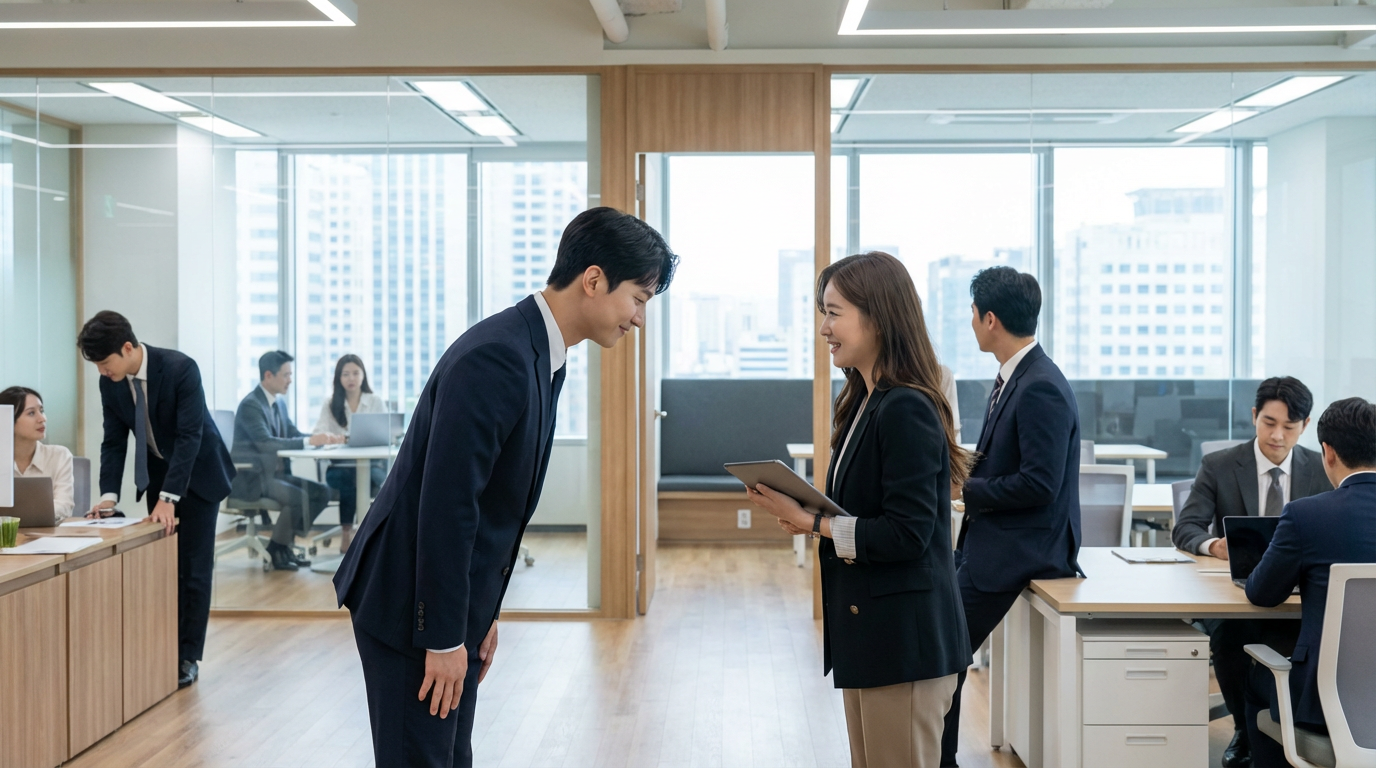
If you've watched Korean dramas set in schools, offices, or entertainment companies, you've likely heard characters use the term "sunbae." But what does sunbae mean in Korean, and how is it different from other honorifics like "oppa" or "hyung"?
In this comprehensive guide, we'll explore everything about "sunbae" (선배)—a term that reflects Korea's deep respect for seniority and experience.
What Does Sunbae Mean?
"Sunbae" (선배) is a Korean honorific term used to address someone who is senior to you in a particular context—whether in school, work, or any organized group. Unlike family-based terms, "sunbae" is about hierarchy based on experience and time.
The Basic Definition
Literal meaning: Senior, predecessor, or elder
Usage: Anyone addressing someone more experienced/senior in the same field
Basis: Seniority in school year, job position, or group membership
Formality level: Respectful and professional
The Hangul Writing
"Sunbae" is written as 선배 in Korean hangul. The pronunciation is "seon-bae" with a clear emphasis on both syllables.
When Should You Use Sunbae?
1. School and University
In educational settings, "sunbae" is used by students to address those in higher grades:
Examples:
A freshman (1st year) calls sophomores, juniors, and seniors "sunbae"
"Sunbae, which professor should I take for this class?" (선배님, 이 과목 어떤 교수님 들을까요?)
"Thank you for your advice, sunbae" (조언 감사합니다, 선배님)
2. Workplace and Professional Settings
In Korean companies, "sunbae" creates a respectful but collegial atmosphere:
New employees call senior colleagues "sunbae"
It's more personal than using job titles but still professional
Often used alongside job titles: "Kim sunbae" or "Manager Kim"
Real-life example:
In the hit drama "What's Wrong with Secretary Kim," junior staff members respectfully address senior colleagues as "sunbae" while working together.
3. Entertainment Industry
Korea's entertainment world heavily uses "sunbae":
Junior idols call senior idols "sunbae"
New actors address experienced actors as "sunbae"
Trainees call debuted artists "sunbae"
Famous example:
When BTS was new, they called many senior groups "sunbae." Now, newer groups call BTS "sunbae"—showing how the title reflects career stage.
4. Sports Teams and Organizations
Athletes use "sunbae" for teammates who joined the team earlier:
Rookies call veteran players "sunbae"
It acknowledges their experience and guidance
The Counterpart: Hubae (후배)
Just as "sunbae" refers to seniors, "hubae" (후배) refers to juniors. If someone is your sunbae, you are their hubae.
Responsibilities of a Sunbae
Being a sunbae comes with unwritten responsibilities:
Mentoring hubae and sharing knowledge
Setting an example through behavior
Offering guidance when hubae face challenges
Sometimes treating hubae to meals (a common tradition)
Sunbae vs. Other Honorifics
Understanding the difference between "sunbae" and similar terms is crucial:
When to Use Sunbae vs. Oppa/Hyung
Use "sunbae" when:
You're in the same organization (school, company, team)
The relationship is primarily professional
You want to show respect for their experience
Use "oppa/hyung" when:
The relationship is personal and close
You're outside of professional contexts
You've established a brotherly/sisterly bond
Cultural Significance of Sunbae
The Korean Concept of Seniority
"Sunbae" reflects Korea's Confucian-influenced culture that values:
Experience over just age
Hierarchy that maintains order
Mentorship as a responsibility
Respect as a foundation of relationships
Sunbae-Hubae Relationships in Practice
In Korean society, the sunbae-hubae dynamic creates:
Clear guidance systems — Newcomers know who to ask for help
Knowledge transfer — Experience is passed down systematically
Social cohesion — Everyone knows their place and role
Mutual obligations — Both sides have responsibilities
Sunbae in Popular Culture
K-Dramas Featuring Sunbae Relationships
"Cheese in the Trap" (치즈인더트랩):
The complex relationship between Hong Seol and her sunbae Yoo Jung explores the power dynamics and expectations in sunbae-hubae relationships.
"Age of Youth" (청춘시대):
College students navigate friendships and relationships, with sunbae characters playing important mentoring roles.
"Misaeng" (미생):
This office drama realistically portrays how junior employees (hubae) interact with senior colleagues (sunbae) in Korean corporate culture.
"Dream High":
Set in a performing arts school, the drama shows how sunbae idols and students guide their hubae.
K-Pop Sunbae Culture
The entertainment industry has particularly strong sunbae traditions:
Respectful Greetings:
Junior idols perform 90-degree bows when meeting senior idols at music shows and award ceremonies.
Public Acknowledgment:
When accepting awards, artists often thank their "sunbae" for paving the way and setting examples.
Guidance and Support:
Senior idols often publicly support junior groups from the same company, creating a family-like atmosphere.
Common Phrases with Sunbae
Here are useful expressions for sunbae interactions:
Note: Adding "-nim" (님) makes it more respectful: "Seonbae-nim" instead of just "Seonbae."
How to Practice Using Sunbae
For Korean Language Learners
Watch workplace K-dramas: Observe how characters use "sunbae" in professional settings
Study K-pop interviews: Notice how junior idols address seniors
Practice with language partners: Ask Korean friends to role-play sunbae-hubae situations
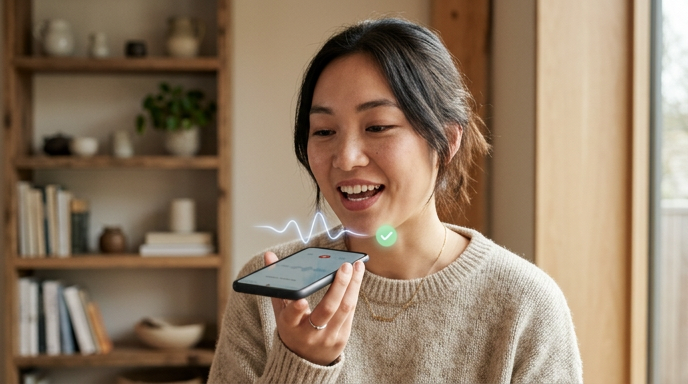
Use AI conversation tools: Practice workplace scenarios with AI tutors
Common Mistakes to Avoid
❌ Using "sunbae" for someone younger → Check their entry year/position first
❌ Being too casual with sunbae → Maintain appropriate respect
❌ Ignoring the -nim suffix → Use "seonbaenim" for extra politeness
❌ Assuming sunbae means friend → It's respectful, not necessarily close
Modern Evolution of Sunbae Culture
Changes in Contemporary Korea
While sunbae culture remains strong, modern Korea has seen some shifts:
More Relaxed Workplaces:
Some startups and international companies use English names or flatter hierarchies, reducing sunbae usage.
Age-Blind Interactions:
Online communities sometimes skip honorifics entirely, creating more egalitarian spaces.
Persistent Traditions:
Despite changes, traditional industries (law, medicine, entertainment) maintain strong sunbae culture.
Sunbae in Global Context
As Korean culture spreads globally:
International K-pop fans learn about sunbae culture
Korean companies abroad adapt the concept for local contexts
Language learners worldwide study these honorifics
Conclusion
"Sunbae" is a window into Korean culture's deep respect for experience and hierarchy. Whether you're watching K-dramas, working with Korean colleagues, or learning the language, understanding "sunbae" helps you navigate Korean social dynamics with confidence.
Key takeaways:
Use "sunbae" for seniors in your school, workplace, or field
It's about experience and time, not just age
The relationship involves mutual respect and responsibility
Adding "-nim" shows extra respect
Ready to practice using "sunbae" in real conversations? Try role-playing workplace scenarios with AI language tutors who can help you master these cultural nuances.



Comments
No comments yet.
Leave a Comment