
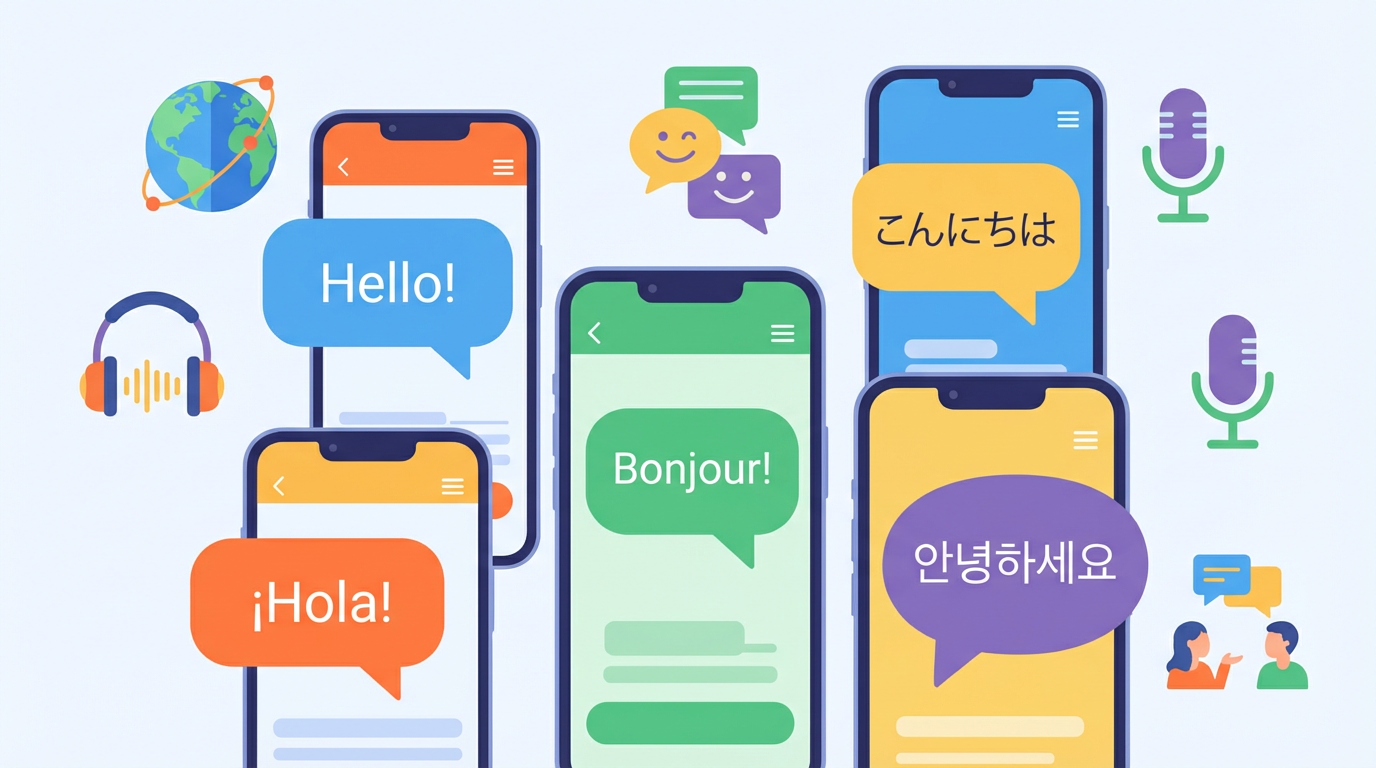
So you've decided to learn a new language. Smart move. But then you open the app store and suddenly you're staring at dozens of options, each promising to make you fluent in 30 days. Which one is actually worth your time?
We spent months testing the most popular language learning apps on the market to give you an honest, practical breakdown. Whether you're a total beginner or looking to push past the intermediate plateau, this guide will help you find the right fit.

Why the Right App Actually Matters
Before we dive into the rankings, let's get one thing straight: no app will make you fluent on its own. Language learning requires consistent input, real conversation practice, and — ideally — feedback on what you're getting wrong.
That said, the right app can make a massive difference. A good app:
Keeps you coming back daily (habit formation)
Gives you contextually relevant vocabulary and phrases
Adapts to your pace and weak spots
Provides speaking and listening practice, not just flashcards
The wrong app just makes you feel like you're learning while you're actually just tapping through screens. There's a difference.
The Top Language Learning Apps in 2026
1. TalkMe — Best for Real Conversation Practice
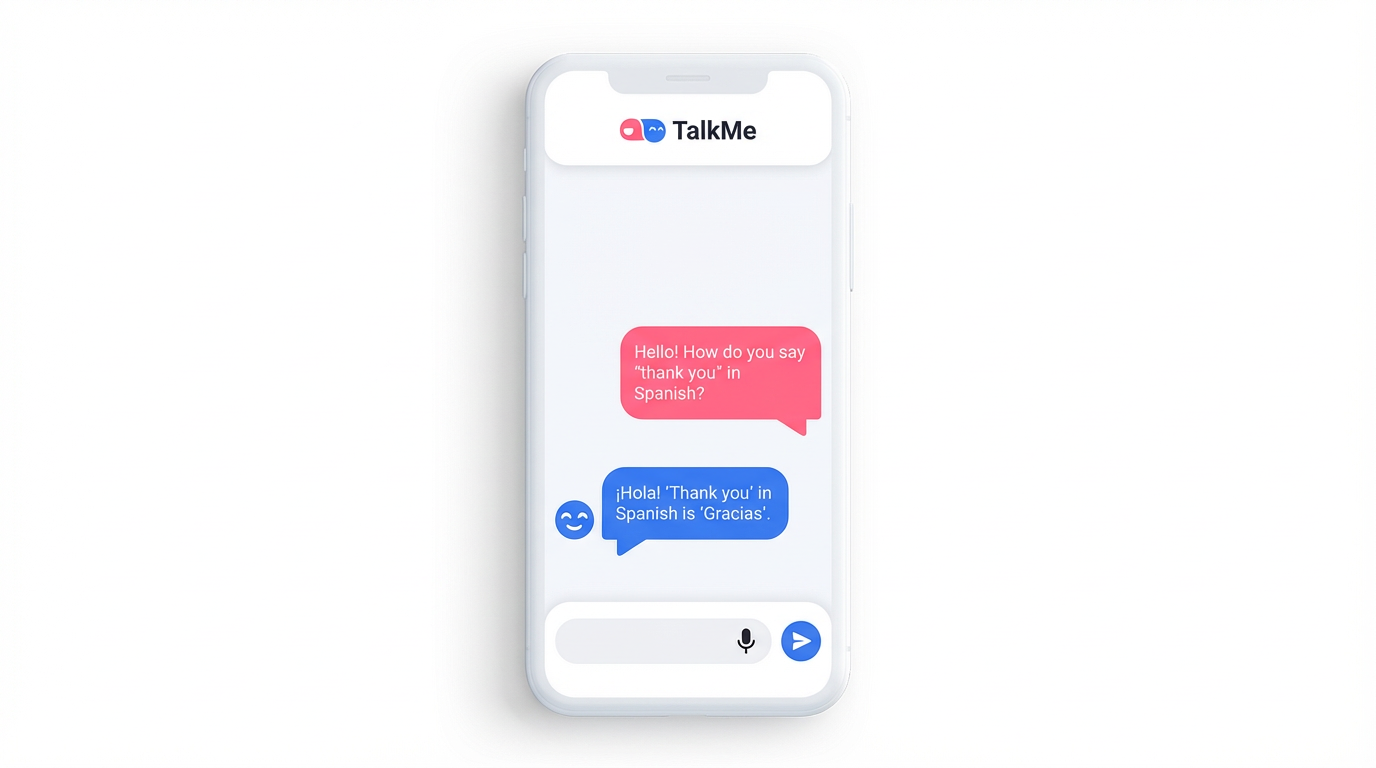
If your main goal is actually being able to speak, TalkMe deserves a serious look. Unlike apps that focus primarily on vocabulary drills and gamified point systems, TalkMe is built around conversation — specifically, AI-powered speaking practice that simulates real dialogue.
What makes it stand out:
AI conversation partner that responds naturally and corrects pronunciation in real time
Topics drawn from everyday life: ordering food, navigating travel, small talk, job interviews
Instant feedback on your speaking — not just "correct/incorrect" but why it sounds unnatural
Available for English, Spanish, French, Japanese, Korean, Portuguese, German, and more
The experience feels closer to having a patient native-speaking tutor than clicking through a quiz. For people who find themselves "reading a language well but speaking like a robot," TalkMe addresses exactly that gap.
You can explore it at blog.talkme.ai or jump straight to the app at talkme.ai.
2. Duolingo — Best for Building a Daily Habit
Duolingo is arguably the most recognized language app in the world, and there's a reason it's been downloaded over 500 million times. The gamification is genuinely effective at keeping beginners engaged. Streaks, hearts, leagues, leaderboards — it's designed to make you want to come back tomorrow.
Strengths:
Highly engaging for beginners
Covers a wide range of languages (40+)
Free tier is usable (though limited)
Great for vocabulary building and basic grammar
Where it falls short:
Speaking practice is minimal and often feels disconnected
Content can feel repetitive at intermediate levels
Gamification can create the illusion of progress without real fluency gains
Best for: Absolute beginners who need habit-building scaffolding and casual learners who want consistent daily engagement.
3. Babbel — Best for Structured, Practical Learning
Babbel takes a more curriculum-style approach — its lessons are designed by linguists and focus on real-world conversational scenarios. If you like knowing you're following a proper learning path, Babbel feels reassuringly organized.
Strengths:
Structured lessons with clear learning progression
Strong focus on practical conversational language
Better grammar instruction than Duolingo
Reasonably priced subscription
Where it falls short:
Less engaging UX compared to gamified apps
Speaking practice exists but isn't deeply integrated
Limited free content
Best for: Learners who want a clear, no-nonsense curriculum and prefer structured progression over games.
4. Rosetta Stone — Best for Immersive Vocabulary Acquisition
Rosetta Stone's methodology — teaching languages through image association without translation — has been around for decades. The updated app modernizes the experience while keeping the immersion-first philosophy intact.
Strengths:
Strong immersive approach builds natural language intuition
TruAccent speech recognition for pronunciation feedback
Live tutoring sessions available (paid add-on)
Good for building visual-contextual vocabulary
Where it falls short:
Expensive compared to competitors
The no-translation method can frustrate some learners
Slower pace; not ideal for people who want quick practical results
Best for: Learners who respond well to immersive, visual learning and want to avoid translation dependency.
5. Pimsleur — Best for Audio-First Learners
Pimsleur is almost entirely audio-based, making it exceptional for commuters, drivers, or anyone who learns well by listening and speaking aloud. The spaced repetition audio format is well-researched and effective.
Strengths:
Proven audio methodology
Excellent for pronunciation and speaking rhythm
Works without looking at a screen
Strong for less common languages
Where it falls short:
No reading or writing practice
Expensive for a subscription
Audio-only format can feel repetitive for some learners
Best for: Commuters, drivers, and auditory learners who want to build spoken fluency on the go.
6. Anki — Best for Advanced Learners Building Vocabulary
Anki isn't technically a "language learning app" — it's a spaced repetition flashcard system. But among serious language learners, it's considered essential. The ability to build custom decks and import community-made content makes it uniquely powerful.
Strengths:
Highly customizable
Massive community deck library
Free on desktop (small one-time fee on iOS)
Scientifically proven spaced repetition system
Where it falls short:
Steep learning curve to set up properly
No structured curriculum — you need to know what to study
Not beginner-friendly without guidance
Best for: Intermediate to advanced learners who want to systematically build vocabulary or prepare for exams (JLPT, DELF, DELE, etc.).
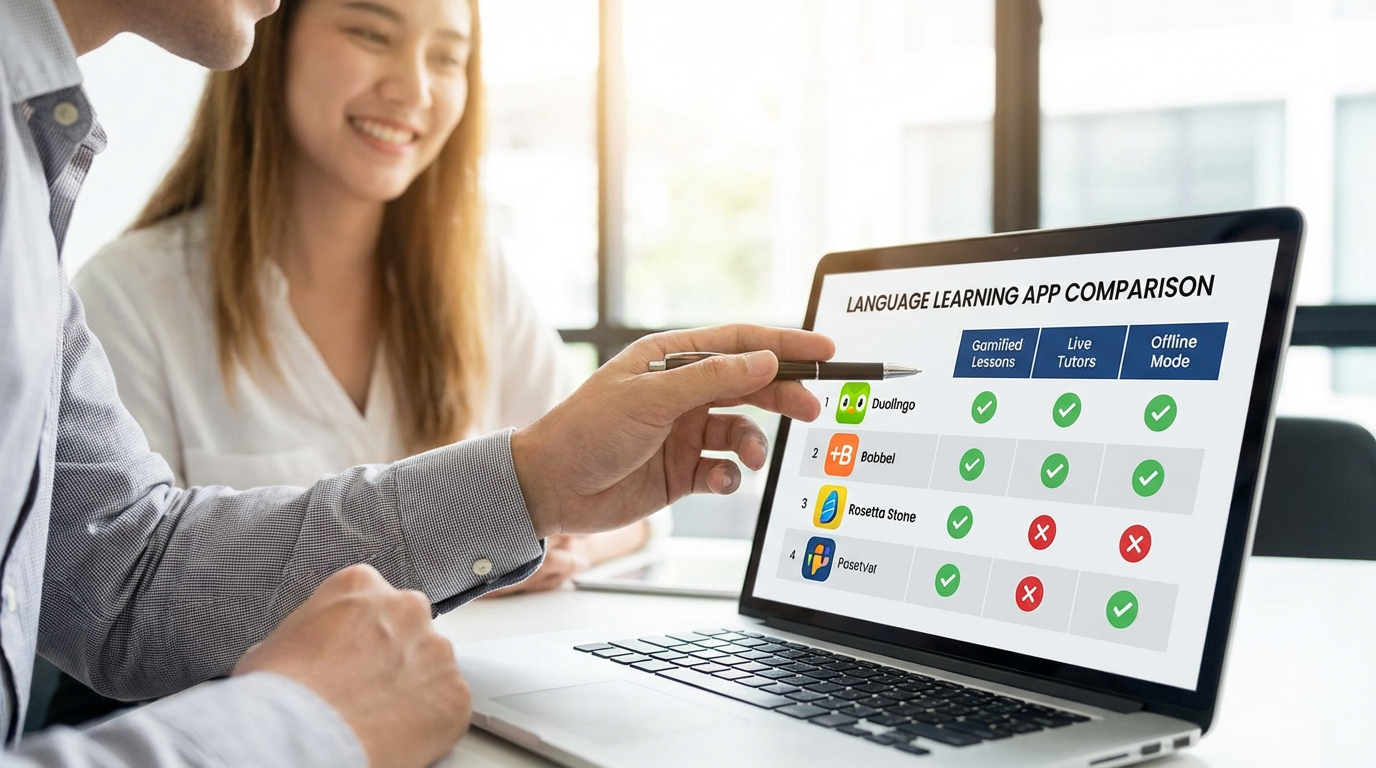
Quick Comparison Table
How to Choose the Right App for You
Picking an app isn't just about which one is "best" — it's about which one fits your goals, learning style, and schedule.
Ask yourself these questions:
1. What's your #1 goal?
Speak confidently in conversation → TalkMe or Pimsleur
Build a daily learning habit → Duolingo
Follow a structured program → Babbel or Rosetta Stone
Crush vocabulary for an exam → Anki
2. How much time do you have per day?
5–10 minutes → Duolingo (habit streaks are forgiving)
15–30 minutes → Babbel or TalkMe (deeper sessions)
On the move → Pimsleur (hands-free audio)
3. Are you a beginner or intermediate learner?
Beginner → Duolingo, Babbel, or TalkMe to build foundations
Intermediate plateau → TalkMe for speaking, Anki for vocabulary
Advanced → Anki + real conversations + TalkMe for fluency refinement
4. Is speaking your weak point?
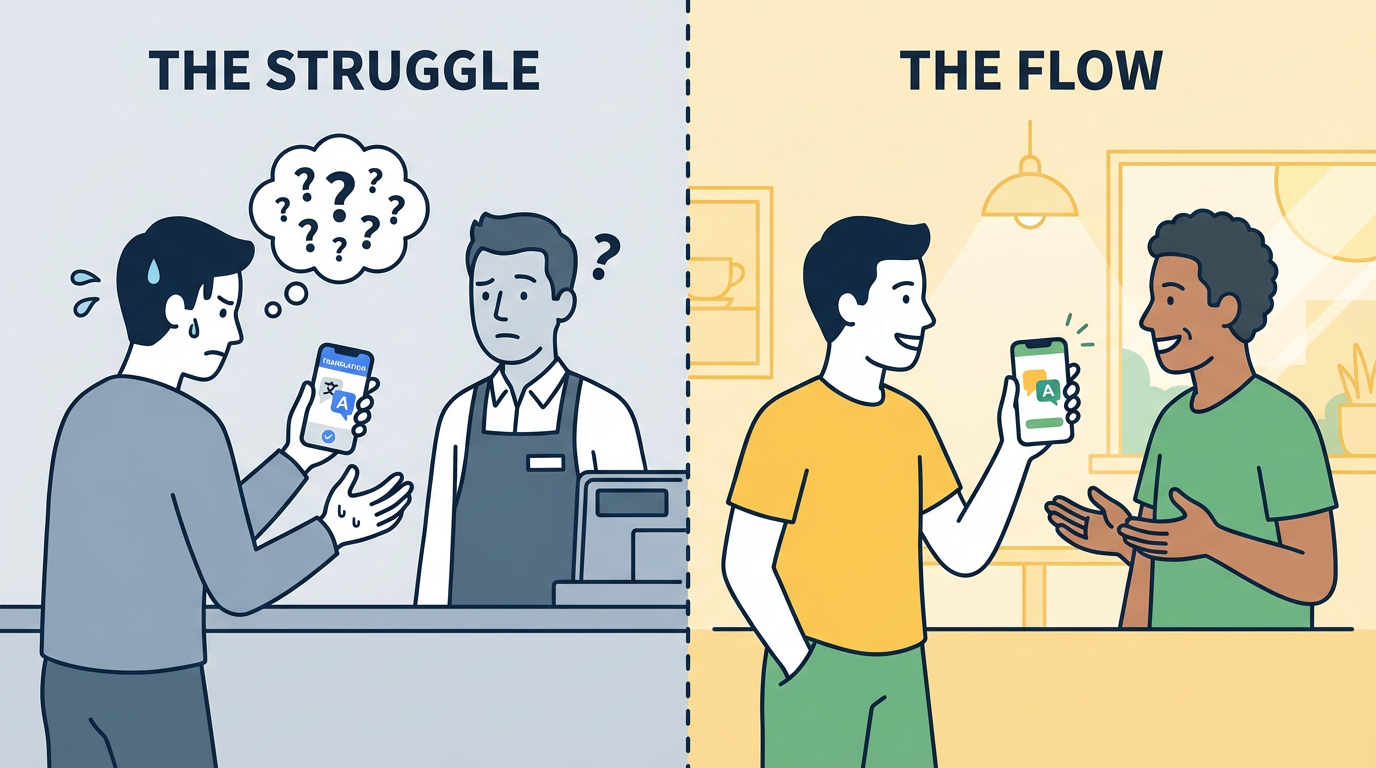
If yes — and this is the case for most language learners who've studied for a while — you need an app specifically designed around speaking practice. TalkMe is built for exactly this: getting you talking, not just recognizing words.
The Honest Truth About Language App Combinations
Here's what serious polyglots won't tell beginners: the best learners use multiple tools.
A realistic combination that works:
TalkMe for daily speaking practice (15–20 min)
Anki for vocabulary reinforcement (10 min)
Duolingo for a fun 5-minute warm-up or habit filler
Real content — podcasts, YouTube, shows in your target language (30+ min when possible)
The apps fill different gaps. TalkMe gets your mouth moving and brain thinking in the language. Anki locks in the vocabulary. Duolingo keeps you honest on your streak. Real content grounds everything in authentic usage.
What 2026 Has Changed: The AI Revolution in Language Learning
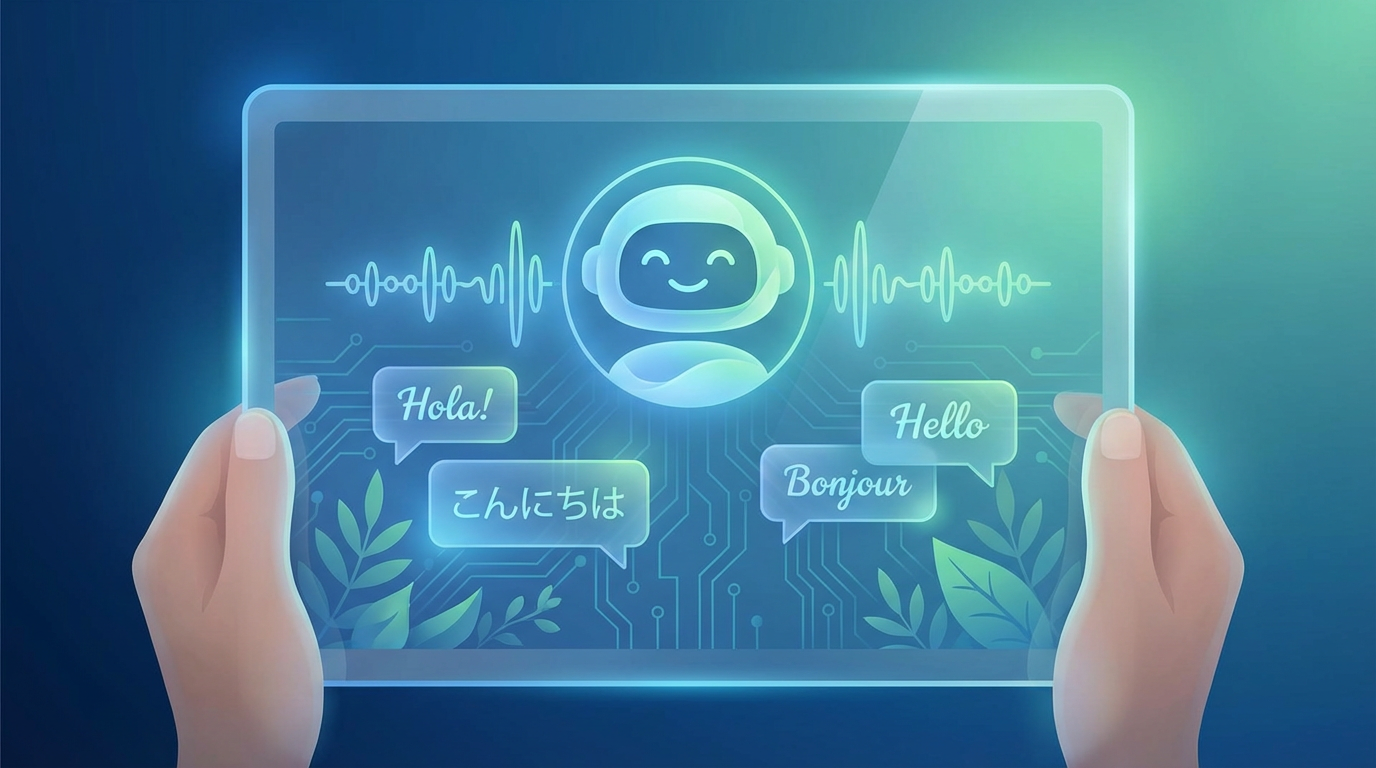
This year's biggest shift is how deeply AI has penetrated language learning tools. The difference from even two years ago is striking:
What AI has improved:
Pronunciation feedback is now precise enough to identify specific phonemes you're mispronouncing, not just flag "wrong"
Conversation simulation can maintain context across multiple exchanges, making dialogues feel genuinely human
Personalization means the app knows what words you keep forgetting and what topics you find engaging
Correction quality — AI can now explain why something sounds off, not just correct it mechanically
TalkMe has been one of the leaders in applying AI to actual speaking practice, which is historically the hardest thing for apps to replicate. If you tried AI conversation tools two or three years ago and were unimpressed, it's worth giving them another look in 2026 — the gap has closed considerably.
Frequently Asked Questions
Can you really learn a language with just an app?
You can build a strong foundation, but fluency requires real conversation. Apps that simulate conversation (like TalkMe) get you further than vocab-only apps, but you'll still need to practice with real speakers — through language exchanges, tutors, or travel — to fully internalize the language.
How long does it take to reach conversational fluency?
Varies enormously by language and starting point, but a rough guideline:
Spanish/French/Portuguese (for English speakers): 600–750 hours of study
German/Russian: 900+ hours
Mandarin/Arabic/Japanese/Korean: 2,000+ hours
Consistent daily practice of 30 minutes accelerates this significantly compared to occasional marathon sessions.
Is Duolingo good enough on its own?
For building habits and basic vocabulary — yes. For speaking fluency — no. Duolingo is best used alongside apps that push you to actually produce language, not just recognize it.
What's the best free option?
Duolingo's free tier and TalkMe's free tier cover substantial ground. Anki is free on desktop. For pure no-cost learning, pairing these three covers vocabulary, habit formation, and speaking practice without spending anything.
Should I learn multiple languages at once?
Linguists generally recommend reaching B1 level in one language before starting another, unless the languages are closely related (e.g., Spanish and Portuguese). Splitting your attention early slows progress in both.
Final Verdict: Which App Should You Download Today?
If you only download one app today, download the one that addresses your biggest weakness:
Can't speak even though you've studied → TalkMe
Can't stay consistent → Duolingo
Want a real curriculum → Babbel
Need vocabulary for an exam → Anki
Learning on commute → Pimsleur
The best language learning app is the one you'll actually use consistently. But if speaking and real-world communication is your goal — and for most learners it is — an app that gets you talking from day one will take you further than one that keeps you clicking through quizzes.
Language learning has never been more accessible. The tools are remarkable. The only variable left is you showing up every day.
Start today. Your future self — confidently navigating a conversation in a language you once thought was impossible — will thank you.
Want more honest, practical guides on language learning tools and methods? Visit blog.talkme.ai for weekly posts on what actually works — backed by experience, not just marketing.


Comments
No comments yet.
Leave a Comment